
Understanding Normal Saline (0.9% Sodium Chloride): Uses, Dosage, and Medical Benefits in Nigeria
Introduction: Why Normal Saline is a Staple in Nigerian Healthcare
When you walk into any health facility across Nigeria – whether it is a bustling teaching hospital in Lagos, a general hospital in Kano, a clinic in Enugu, or a primary healthcare centre in a rural community – one medical product is always present: Normal Saline.
Call or WhatsApp Below To Buy. Click Below To Get Started: Call 0707 1010 100
WhatsApp 0707 1010 100Buy On 𝚆𝚑𝚊𝚝𝚜𝙰𝚙𝚙 (ᴀᴄᴛɪᴠᴇ)

Often referred to simply as “saline” or “tetra-pack/infusion water” by everyday folks, normal saline is a cornerstone of modern medicine. But what exactly is it, why is it so important, and how is it used safely in clinical and home environments? Let us break down everything you need to know about this vital medical solution.
“In emergency medicine and routine patient care, normal saline remains one of our most reliable lifesavers for fluid resuscitation and hydration.” — Nigerian Clinical Pharmacist Insight
What is Normal Saline?
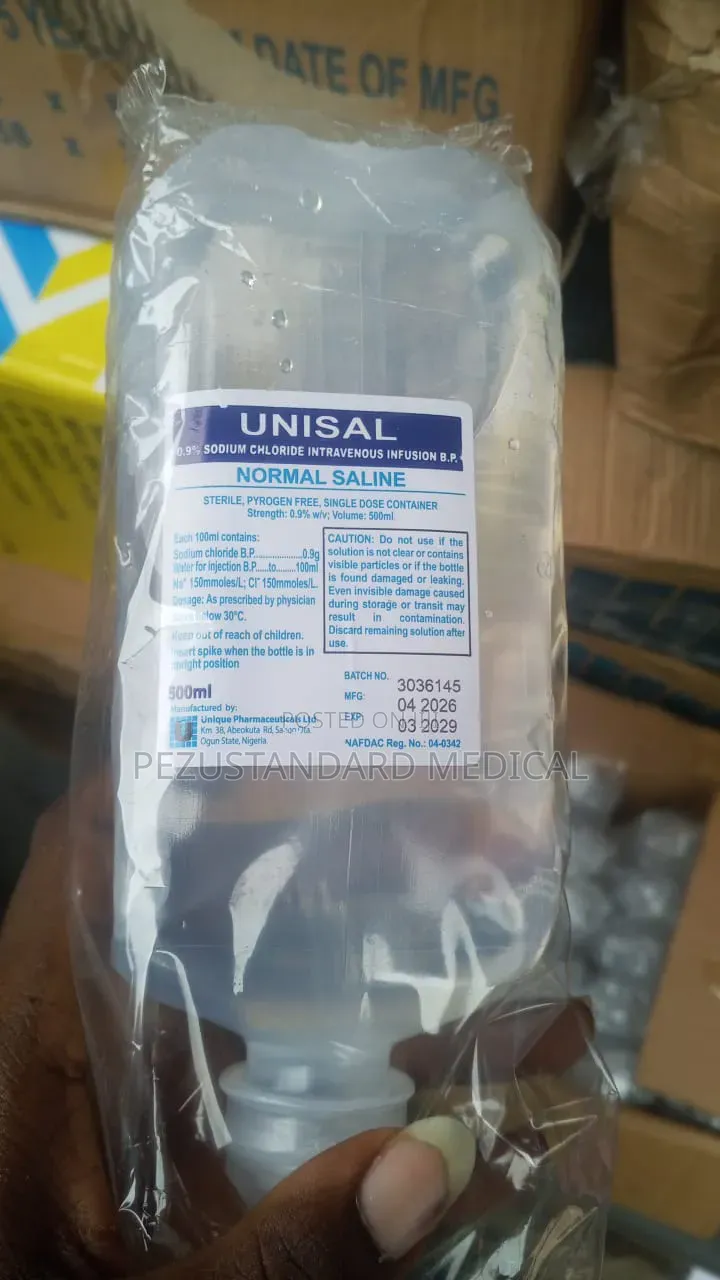
Normal Saline is a sterile, non-pyrogenic solution of 0.9% sodium chloride (salt) dissolved in purified water. It is called “isotonic” because its salt concentration is very close to the natural salt concentration in human blood and body fluids.
Because it matches our body’s osmolarity, it does not cause red blood cells to swell or shrink when introduced directly into the bloodstream. This makes it exceptionally safe for intravenous (IV) infusions, wound cleansing, and mucous membrane irrigation.
Key Chemical & Physical Details
-
Active Ingredient: Sodium Chloride ($NaCl$) – 0.9% w/v
-
Inactive Ingredient: Water for Injection (USP)
-
pH Level: Approximately 4.5 to 7.0
-
Osmolarity: ~308 mOsmol/L (Isotonic)
What is Normal Saline Used For?
Normal saline has a wide range of applications in both medical institutions and everyday settings. In Nigeria, it is heavily relied upon during emergencies, surgeries, and routine outpatient care.
1. Medical and Clinical Uses
-
Fluid Resuscitation: Used to restore circulating blood volume in patients suffering from severe dehydration, shock, trauma, or blood loss.
-
Intravenous (IV) Drug Dilution: Acts as a safe vehicle for mixing and administering various injectable medications.
-
Wound Irrigation: Used by nurses and doctors to clean cuts, surgical incisions, and ulcers without damaging delicate healing tissues.
-
Eye and Nasal Irrigation: Flushes out foreign particles from the eyes or clears thick mucus from blocked nasal passages in infants and adults.
2. Everyday and Home Settings
-
Contact Lens Care: Used for rinsing and storing soft contact lenses.
-
Piercing and Tattoo Aftercare: Helps keep new body piercings clean and free from bacterial infection.
Dosage and Administration Guidelines
Administering normal saline depends heavily on the patient’s age, clinical condition, and the specific route of administration. Note: Intravenous administration must always be supervised by a qualified healthcare professional (doctor, nurse, or pharmacist).
| Patient Category | Recommended Route | Typical Dosage Range | Administration Schedule |
| Adults | Intravenous (IV) Infusion | 500 mL to 3,000 mL per 24 hours (adjusted based on fluid status) | As directed by physician based on vital signs |
| Children | Intravenous (IV) Infusion | 20 mL/kg initial bolus in emergencies, followed by maintenance rates | Monitored strictly by pediatric guidelines |
| Infants / Neonates | Intravenous (IV) / Nasal Drops | Weight-based fluid replacement / 1-2 drops per nostril | As prescribed for dehydration or nasal congestion |
Intravenous (IV) Therapy and Delivery Methods
When normal saline is administered intravenously, it enters the extracellular fluid compartment, quickly expanding plasma volume.
-
Peripheral IV Cannulation: Commonly delivered into veins in the hand or arm for short-term rehydration.
-
Central Venous Catheters: Used in critical care units (ICU) for patients requiring long-term or high-volume fluid management.
-
Safety Precautions: Healthcare workers must inspect IV bags for clarity, check the expiration date, ensure tamper-evident seals are intact, and prevent air embolism during setup.
Adverse Effects, Warnings, and Contraindications
While normal saline is generally safe and well-tolerated, improper use or excessive administration can lead to complications.
Potential Adverse Effects
-
Fluid Overload (Hypervolemia): Can cause swelling (edema), high blood pressure, and shortness of breath, especially in patients with heart failure or kidney disease.
-
Hyperchloremic Metabolic Acidosis: High volumes of 0.9% saline can introduce excess chloride, altering the body’s acid-base balance.
-
Local Irritation: Minor discomfort or swelling at the injection site if the cannula slips out of the vein (infiltration).
Contraindications & Warnings
-
Heart Failure & Renal Impairment: Use with extreme caution in patients with severe cardiac disease, edema, or oliguric kidney failure.
-
Hypernatremia: Avoid use in patients with high blood sodium levels.
Storage Instructions and Shelf Life
To maintain the sterility and chemical integrity of normal saline in Nigeria’s tropical climate, proper storage is essential:
-
Temperature: Store at room temperature between 15°C and 30°C. Protect from excessive heat and direct sunlight.
-
Packaging: Keep infusion bags or bottles sealed in their protective outer wrappers until ready for use.
-
Single-Use Policy: Normal saline bags do not contain preservatives. Once opened or punctured, any remaining solution must be discarded immediately to prevent microbial contamination.
Frequently Asked Questions (FAQs)
1. Can I use normal saline to clean wounds at home?
Yes, sterile normal saline is excellent for cleaning minor cuts and scrapes at home. However, always ensure you use a fresh, unopened container.
2. Is normal saline the same as salt water made at home?
No. While both contain salt and water, normal saline is manufactured in sterile pharmaceutical laboratories with precise medical-grade 0.9% concentration and purified water. Home-mixed salt water is not sterile and can introduce harmful bacteria into wounds or the bloodstream.
3. What happens if normal saline is given too fast?
Rapid infusion can overload the circulatory system, leading to pulmonary edema (fluid in the lungs), particularly in elderly patients or those with pre-existing heart conditions.
Conclusion
Normal saline (0.9% sodium chloride) remains an indispensable medical solution in Nigeria, driving effective hydration, safe surgical practices, and reliable emergency care. Whether administered via an IV drip in a hospital ward or used for basic wound hygiene, understanding its proper application safeguards health and saves lives.
Disclaimer: This article is for informational and educational purposes only and should not replace professional medical advice, diagnosis, or treatment. Always consult a certified healthcare provider for medical concerns.

Product photos are not displayed because designs update on daily basis, but the item is in stock and we are ready to sell - contact us now to see the latest version of this product.
Call or WhatsApp Below To Buy. Click Below To Get Started: Call 0707 1010 100
WhatsApp 0707 1010 100Buy On 𝚆𝚑𝚊𝚝𝚜𝙰𝚙𝚙 (ᴀᴄᴛɪᴠᴇ)